The hidden cost of poorly engineered apps
Bugs, lag, and crashes shouldn't be the cost of doing business. Here's why bad software keeps happening, and how we build to a higher standard from day one.
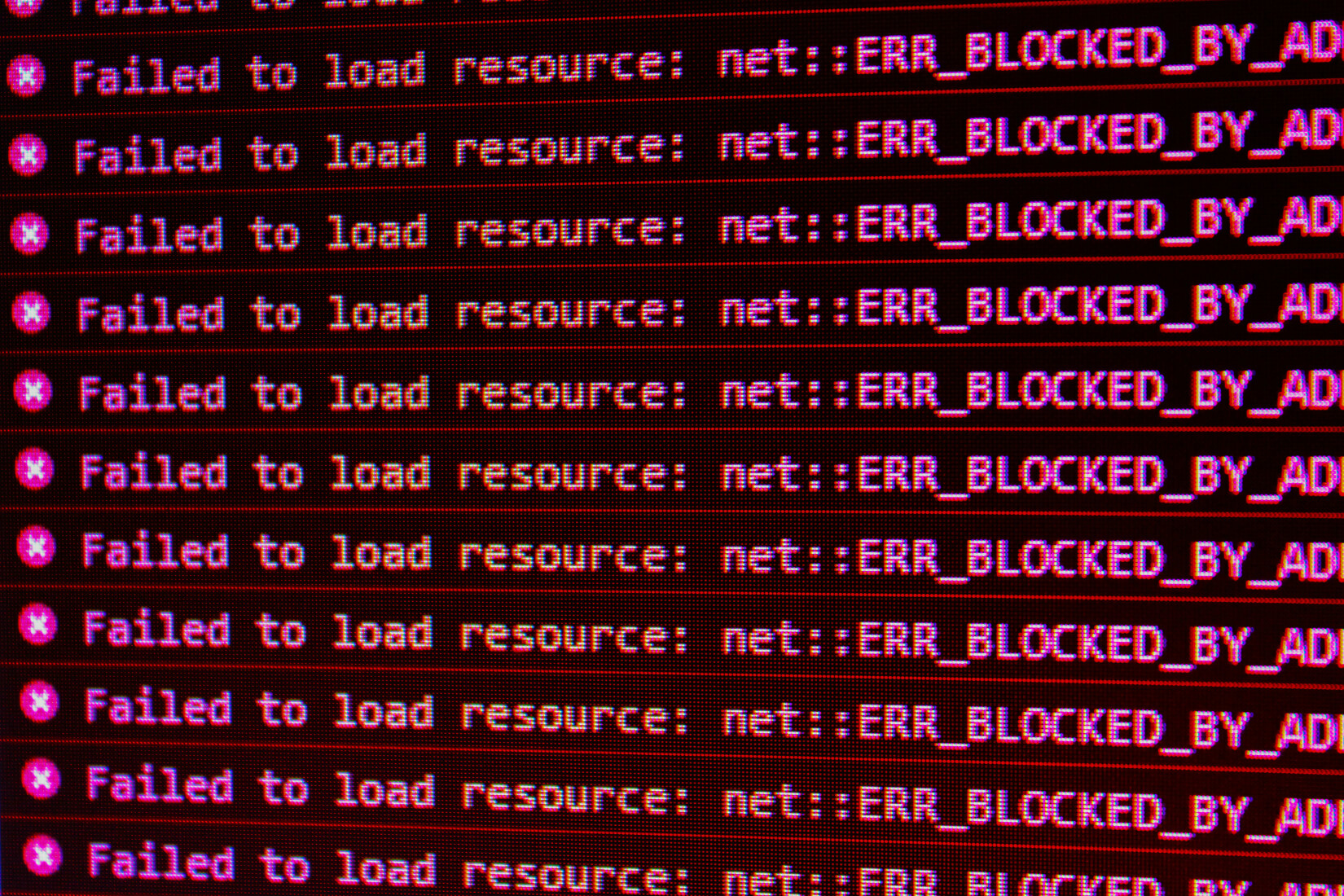
When did we collectively agree it's okay for apps to crash?
Somewhere along the way, shipping fast started meaning shipping broken. Buggy releases, laggy interfaces, and loading screens that never end became just... normal. "Move fast and break things" turned into an excuse for shipping things that were already broken.
At OtterlyGood, we think your business deserves better.
The true cost of a bad app
We've all downloaded an app that promised to solve a problem, then deleted it five minutes later because it was too frustrating to use.
Badly built software isn't just annoying for the person using it, it damages your brand. You can pour thousands into marketing and customer acquisition, but if the product itself is unstable, you're pouring water into a leaky bucket. Users don't give second chances to apps that crash at checkout, drain the battery, or fail to load.
Why bad software happens
Most digital products don't fail because the idea was bad. They fail because of what happens underneath it:
- Rushed architecture — building on a shaky foundation just to hit an arbitrary deadline.
- Scope bloat — trying to ship fifty mediocre features instead of five that actually work.
- The "fix it later" mentality — piling up technical debt until the codebase gets too fragile to touch.
A slick interface can't hide a crumbling foundation underneath. Quality gets built in from day one, or not at all.
Raising the standard
We built OtterlyGood to push slow, unstable software out of the market. We treat building software as a craft, not a race to the bottom.
We're Flutter specialists, so one codebase ships polished iOS and Android apps, plus the web when you need it, all held to the same standard. Rigorous product strategy, clean and scalable architecture, and proper testing, so when you launch, your software actually works the way it should.
Stop settling for "good enough"
The market has enough apps that almost work. A user's first impression is everything, and you simply cannot afford to launch a product that feels unstable.
If you're tired of software that almost works and you're ready to build something reliable, we should talk. Start a project and let's build something that actually works.