Design isn't decoration
Design is not the coat of paint you add at the end. It is the thinking that decides whether your app makes sense at all. Here is how we use it.
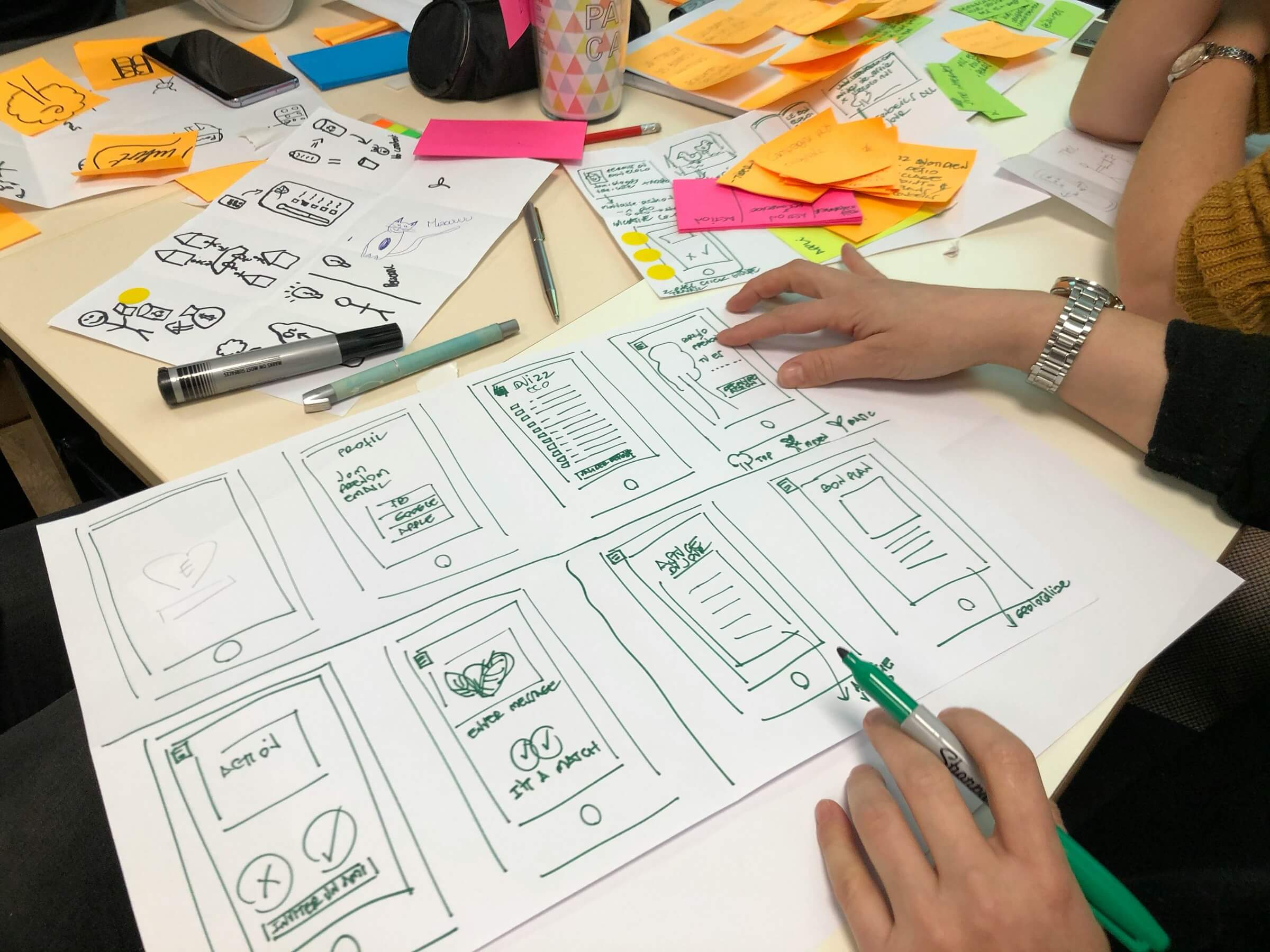
There's a version of "design" that means picking nice colours and rounding off a few corners. It's a real job, and we do it happily. But if that's all design means to you, it's quietly costing you money.
Because the expensive part of design happens long before anyone opens a colour picker.
Design is mostly decisions
Before it's pixels, design is a pile of questions. What is this app actually for? What's the one thing someone opened it to do? What happens when they tap that button? And what happens when they tap it by accident?
Every one of those questions has a cheap answer and an expensive one. The cheap answer gets decided now, on a screen, in an afternoon. The expensive answer gets decided later, in code, after the thing's been built the wrong way once.
Moving a button in a design file takes a minute. Moving it after launch takes a meeting, a sprint, and a small apology.
That's the real job design is doing: it's where you get to make your mistakes on purpose, while they're still cheap.
What it looks like for us
We don't vanish for a month and reappear with a finished app. Design on an OtterlyGood project tends to run like this:
- Understanding — what you're building, who it's for, and what you're deliberately not doing. The "not" list matters as much as the rest.
- Structure — how the app is shaped before it's styled. Flows, screens, the path through it. Boring to look at but wildly important.
- The visible bit — the part everyone pictures. Type, colour, motion, the overall feel. This is where the brand finally shows up.
- Handover — design and engineering in the same room from the start, so nothing gets "lost in translation" later on.
Why it's worth paying for
Good design is the cheapest insurance you'll buy on the entire project. It catches the £40k feature nobody needed while it's still a £400 sketch. It means engineers build the right thing once, instead of the wrong thing twice.
And it's the gap between an app that merely works and one people actually want to open. Users don't read your feature list. They feel whether the thing makes sense in roughly four seconds — and design is the whole reason it does. Or doesn't.
The bit people skip
Here's the trap: design is the easiest phase to rush, because skipping it doesn't break anything yet. The bill just arrives later, with interest, somewhere in the middle of the build when everyone's quietly wondering why this is taking so long.
So we don't skip it. Not because we're precious about it, but because we've seen what skipping it costs, and it's never the cheaper option.
If you've got an idea and you're not yet sure what it should actually be, that's not a problem. It's the first thing we'd help you work out. Start a project and let's design the thinking before we build the app.